Security and Maintenance Are Continuous Product Work
Software changes even when no new feature is released. Dependencies age, threats evolve, data grows, browsers change, and user expectations rise. Planned maintenance protects the product’s value.
Create a maintenance baseline
Maintain an inventory of applications, dependencies, environments, integrations, owners, and support expectations. This makes risk visible and prioritisation possible.
Use risk-based routines
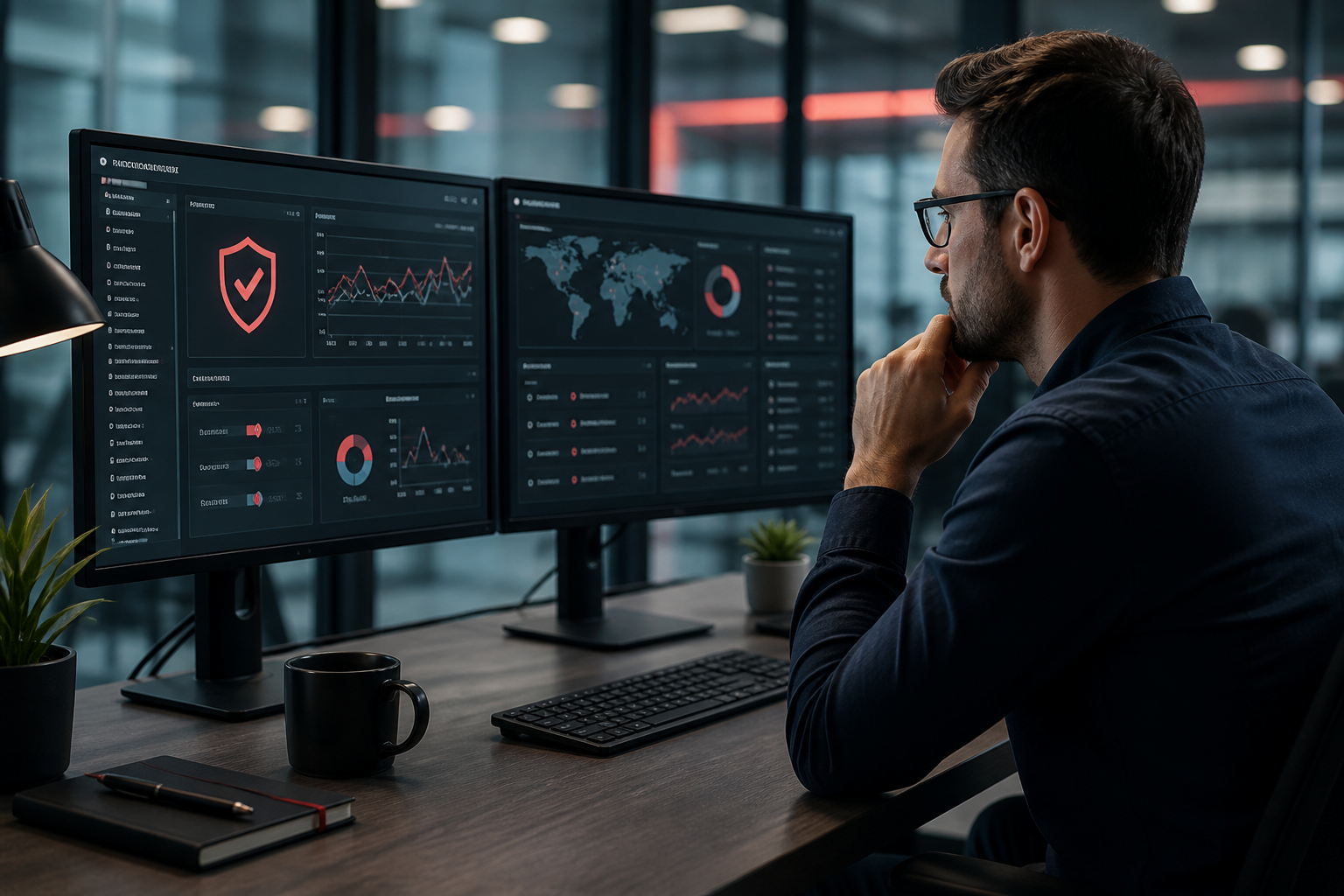
Combine automated dependency and vulnerability checks with regular performance review, access audits, backup tests, and regression testing.
- Set patching response targets
- Review privileged access
- Track reliability and performance trends
Reserve roadmap capacity
Maintenance competes poorly with visible feature work unless capacity is planned. A consistent allocation prevents urgent failures and expensive catch-up projects.
Final thoughts
Maintenance is how a digital product remains secure, useful, and economical. Treat it as a continuing product discipline with clear ownership and measures.